

Introduction
Dental veneers are thin covers or shells that are attached to natural teeth to change their position, shade, or form. Veneers were formerly a status symbol for celebrities, but because of social media, they have suddenly become common. Many people searching for a dentist near me consider veneers as part of their cosmetic dental options. This article examines the advantages and disadvantages of veneers.
Material of veneers
Veneer materials come in multiple forms, such as ceramic, plastic, or resins. Porcelain, a hard ceramic substance used in pottery, is the most popular option. Porcelain is the perfect material to mimic real dental enamel in terms of its form and its functionality because of its durability and clarity. Another substance used to make veneers for teeth is synthetic resin. Resin, an orthodontic substance made of crushed plastic and glass, is commonly used in dental restorations. Detachable veneers are a recent contribution to the veneer industry, along with porcelain and synthetic veneers, which are long-lasting.
Porcelain veneers
The most durable and natural-looking veneers are made of porcelain. These characteristics make them the priciest veneer. Additionally, there is no standardized veneer. Instead, dental labs may form and paint the porcelain component to suit the requirements and preferences of an individual. Color pairing, width alterations, dimension modification, and even the option between shiny and matte polishing are all part of the customized process.
The thin porcelain layers produced by this design technique are attached to the tooth. The need to eliminate a layer of enamel from the teeth to install porcelain veneers is a significant drawback for certain individuals. Porcelain teeth veneers are an irreversible choice because tooth enamel cannot regenerate. They need to be properly taken care of with routine flossing and brushing as part of healthy dental hygiene.
Composite veneers
Composite veneers, like porcelain veneers, mimic the look of real teeth, but their applications are different. Unlike porcelain veneer operations, composite ones don’t need enamel extraction. This is due to the fact that resin can be placed straight to the tooth. They are cheaper and require fewer dental appointments.
One disadvantage of composite veneers is that they are less resistant to chipping from hard substances like candies or stains from coffee, alcohol, or smoke, since the resin substance is thinner than porcelain. The resin can also be ground down to remove composite veneers. Composite veneers don’t seem as realistic as porcelain and must be renewed every five to seven years.
Removable veneers
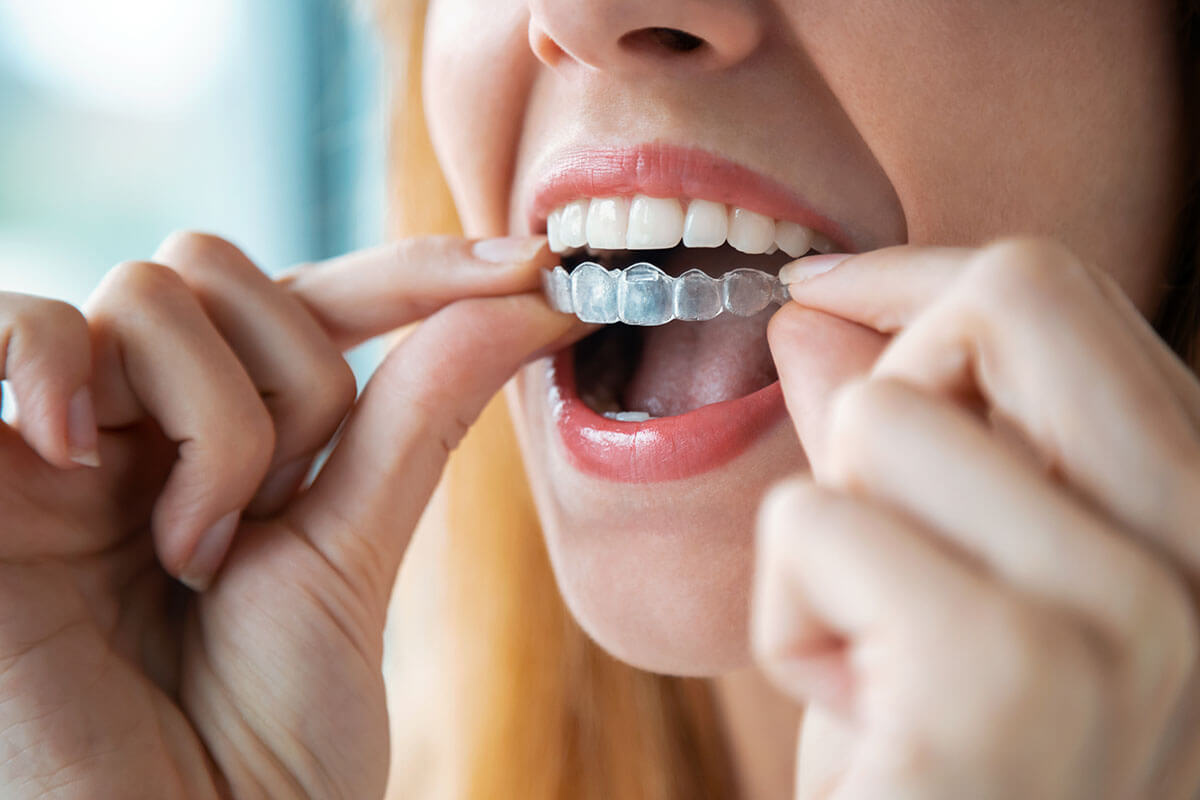
Removable veneers are composed of sturdy acrylic and are applied over your teeth like casings. They are a flexible, temporary method of improving or fixing the look of your teeth. However, they may interfere with eating and speaking, exactly like retainers. Removable veneers don’t have the same benefits as composite or porcelain veneers, but they avoid many of their disadvantages. It is not recommended to wear removable veneers every day. The longer you use them, the shorter their life span. Initially, removable veneers are less expensive, but they may end up costing more over time.
