

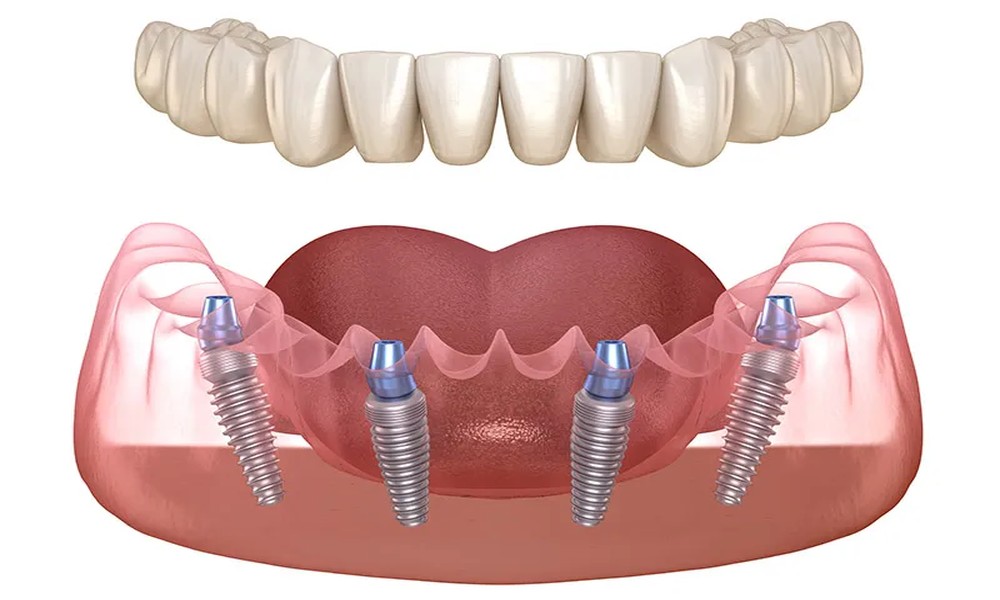
Key Takeaways
When it comes to Archpoint implants, the cost isn’t just about the initial quote. You’ve also got to factor in hidden fees, including examination, imaging, anesthesia, and follow-up visits.
It’s a common myth that insurance will cover all expenses tied to Archpoint implants. In reality, coverage can vary widely depending on the type of implant and specifics of your policy.
Finding the right dentist for Archpoint implants is essential. Make sure to check their board certification, proven experience, and commitment to ongoing education in the field of implant dentistry.
During your consultations, don’t hesitate to ask dentists about their experience with Archpoint implants. Also, inquire about possible complications and their follow-up policies-being informed is key.
After surgery, effective post-operative care is crucial for a smooth recovery. Pay attention to all instructions, take prescribed pain medication as needed, and stick to a diet of soft foods.
To ensure long-term success with your Archpoint implants, you’ll want to schedule regular check-ups, maintain excellent oral hygiene, and be careful about what you eat to protect those implants.
Chronic health conditions, smoking habits, and proactive care can significantly affect how long your Archpoint implants last. So, addressing these factors is vital.
The Real Cost of Archpoint Implants: More Than Just Dollar Signs
The price of Archpoint implants can be quite surprising. Many patients jump into the process thinking they’ll be paying one flat fee, but that’s often not the case. The real cost goes beyond that initial quote-think of it as an intricate fabric of fees that can surprise you later.
Consider this: if you opt for a cheaper implant alternative, is it genuinely a bargain? Often, it can lead down a slippery slope where you end up shelling out more for corrective procedures stemming from lower-quality implants. So, what should you really keep an eye on?
Hidden Fees: What You Need to Watch For
To start, here are some hidden fees you might encounter:
- Consultation or Initial Examination Fees: Many practices charge just for the initial visit.
- X-Rays and Imaging Costs: Don’t overlook these-they’re often not included in initial estimates.
- Anesthesia Fees: Whether local or general, this can add up quickly.
- Follow-Up Appointments: More visits than you planned for can incur additional costs.
Feeling a bit overwhelmed? You’re not alone. Many patients experience sticker shock once they see the full bill.
Insurance Myths Busted: What’s Actually Covered?
“My insurance will cover everything,” is what some believe. But it’s not that straightforward. A lot of patients get caught out because they didn’t fully grasp their policy details. Here are a few things to clarify:
- The Type of Implant: Standard options versus premium can significantly impact your coverage.
- Timeline for Coverage: Some policies might cover parts of the procedure scheduled years apart.
- Pre-Existing Conditions: A history of dental issues may lead to exclusions, so be prepared.
It’s crucial to read your policy carefully or have a chat with your insurance representative. Ignorance can result in some unpleasant surprises later.
Choosing the Right Dentist for Archpoint Implants: Red Flags to Avoid
Choosing the right dentist for Archpoint implants can feel overwhelming. The stakes are high, and trusting the wrong individual can lead to pain-or even worse, financial issues. Seriously, do your research.
Credentials That Matter: How to Vet Potential Dentists
Not every dentist has the expertise to handle implants. You want someone who really knows what they’re doing. Here are a few things to check:
- Board Certification: Make sure they’re certified by a recognized board in the field of implant dentistry.
- Proven Track Record: Don’t hesitate to ask for before-and-after photos of previous patients.
- Continuing Education: The field of implants is always evolving. Is your dentist keeping up?
I’ve witnessed too many people land in tricky spots because they opted for an inexperienced dentist just because they were swayed by flashy marketing or a lower price tag. Don’t let that be you.
Consultation Secrets: What Questions to Ask
After you’ve narrowed down your dentist options, it’s time for some serious discussions. Don’t shy away from asking tough questions, like:
- How much experience do you have with Archpoint implants? It’s basic, but so important.
- What are the potential complications to watch out for? A good dentist won’t dodge this question.
- What’s your protocol for follow-ups? Can I count on you if something goes wrong?
Your consultation should never feel like a sales pitch. If it does, that’s a red flag. Remember, you’re not just buying a service; you’re securing peace of mind.
Recovery from Archpoint Implant Surgery: Secrets to Speed Up Your Healing
The surgery day can feel like a major milestone. But then comes the recovery phase, which can seem daunting. Here’s the good news: it doesn’t have to be a slog.
Post-Op Care: Essential Tips for a Smooth Recovery
Post-surgery, you’re likely to feel a mix of discomfort and excitement, and that’s totally normal. Here’s how to deal:
- Follow All Post-Op Instructions: These aren’t just suggestions; they’re critical for your healing.
- Medication: Stick to your prescribed painkillers. Don’t be a hero-taking them as prescribed will do wonders.
- Diet: Soft foods are a must! This isn’t just a treat; it’s necessary for your recovery.
By taking these steps, you can expedite your recovery. Trust me, you want to be on the quicker end of this.
Common Complications: What to Be Aware Of
Let’s be real: not everything goes according to plan. Knowing potential complications is crucial.
- Infection: This can occur. Keep an eye out for increased pain and swelling.
- Implant Failure: If the implant doesn’t bond correctly with your jawbone, you could be facing a tough journey ahead.
- Gum Recession: This can lead to longer-term problems if left unaddressed, so keep watch.
Being informed about these issues allows you to catch them early, ideally before they escalate into bigger problems.
Long-Term Success of Archpoint Implants: What Every Patient Should Know
Once you’ve navigated recovery, the real work begins. Long-term maintenance is essential for keeping your Archpoint implants in top shape for years. Seriously, neglecting this could leave you disappointed.
Maintenance Myths: Keeping Your Implants in Top Shape
A lot of patients think that once the procedure is over, they can lay off their care routine. But here’s the reality:
- Regular Check-Ups: Don’t skip them! Aim for twice a year; that’s the bare minimum.
- Oral Hygiene: No shortcuts allowed! Keeping up with brushing and flossing is as important as ever, even with implants.
- Diet Considerations: Certain foods can damage your implants-think hard candies or tough meats.
Maintaining these habits can save you from headaches later on. Remember, dental implants don’t come with a lifetime warranty; your diligence is the best guarantee.
Longevity Factors: How to Maximize Your Investment
Wondering what it takes to make your Archpoint implants last? Here are a few must-know factors:
- Chronic Conditions: Conditions like diabetes can hinder healing.
- Smoking: This can seriously affect longevity. If you smoke, consider quitting.
- Proactive Care: If something seems off, act quickly. Don’t let issues fester.
Investing in implants is substantial. But without proper follow-through, it’s all too easy to jeopardize that investment.
“Ignore these tips at your peril; your implants will be knocking at your door for attention sooner than you think.”
Getting to know Archpoint Implant Dentistry and navigating the related complexities can get overwhelming. Yet, if you don’t take the time to sift through these concerns, you might end up regretting your decisions. The journey to beautiful, functional teeth requires diligence, awareness, and informed choices. It’s so worth it-believe me.
FAQ
What’s the best way to find a dentist experienced in Archpoint implants?
Start by asking friends or family for recommendations. Online reviews can be invaluable-look for those sharing specific experiences with Archpoint implants. Seriously, doing your homework definitely pays off.
Are there alternatives to Archpoint implants worth considering?
For sure. Dentures and bridges might work for some patients, depending on individual needs. Just remember: those options can come with their own frustrations, like maintenance and discomfort, so weigh your options carefully.
How does smoking affect the success of dental implants?
Smoking is a huge no-no. It hurt blood flow, interferes with healing, and drastically raises the risk of implant failure. If you smoke, quitting will be one of the best things you can do for your implant’s longevity.
What should I expect at the initial consultation for Archpoint implants?
Be ready for a comprehensive assessment that dives into your medical history and dental concerns. This is your chance to ask difficult questions and evaluate the dentist’s knowledge.
How long does the entire process of getting Archpoint implants take?
From the first consultation to the final placement, it usually spans several months. Healing times can vary, but get ready for the gap between your initial surgery and the final restoration-it might feel like a long road.
Can dental implants fail after they’ve been placed successfully?
Yes, they absolutely can. Issues like infection, inadequate bonding with the jawbone, or too much pressure from teeth grinding can cause failures. Stay alert-symptoms like pain or mobility need immediate attention.
How important is aftercare following the implantation of Archpoint implants?
Post-operative care is vital! Sticking to your dentist’s guidelines can have a huge impact on both your recovery and the implants’ long-term success. It’s not just a suggestion; it’s essential for your health and peace of mind.
Is there a specific age limit for getting Archpoint implants?
Generally, age isn’t a barrier; however, exceptions exist. Overall health and bone density play more significant roles in qualifying. Older adults can receive implants successfully, but a medical evaluation is crucial.
Useful Resources
- American Dental Association (ADA)
- American Academy of Cosmetic Dentistry (AACD)
- American Academy of Implant Dentistry (AAID)
- Washington State Dental Association (WSDA)
- National Association of Dental Plans (NADP)
- Centers for Disease Control and Prevention (CDC) – Oral Health
- Mayo Clinic – Dental Implants Overview
- American Academy of Implant Dentistry (AAID) – Patient Education
- National Institute of Dental and Craniofacial Research (NIDCR)
