

How do you know when it’s time to see an eye doctor in Singapore?
Vision is something many of us take for granted-until it starts to blur or become uncomfortable. In Singapore, where digital screen use is high and lifestyles fast-paced, regular eye check-ups are becoming increasingly important. But how do you know when it’s time to consult an eye doctor Singapore?
If you experience frequent headaches, blurry vision, eye strain, or difficulty focusing, these can be signs that your eyes need professional attention. An eye specialist can conduct thorough assessments to detect common eye conditions early, ensuring timely advice and management. Singapore’s tropical climate also means that dry eye and allergies can affect vision comfort, adding to the reasons for seeking expert care.
Regular visits to an eye doctor can also help identify subtle changes in your eyesight, which might not be obvious in daily life but can impact your long-term vision health. Whether you wear glasses, contact lenses, or have never needed vision correction, professional eye exams are crucial for maintaining optimal eye health.
What should you expect during a visit to an eye doctor in Singapore?
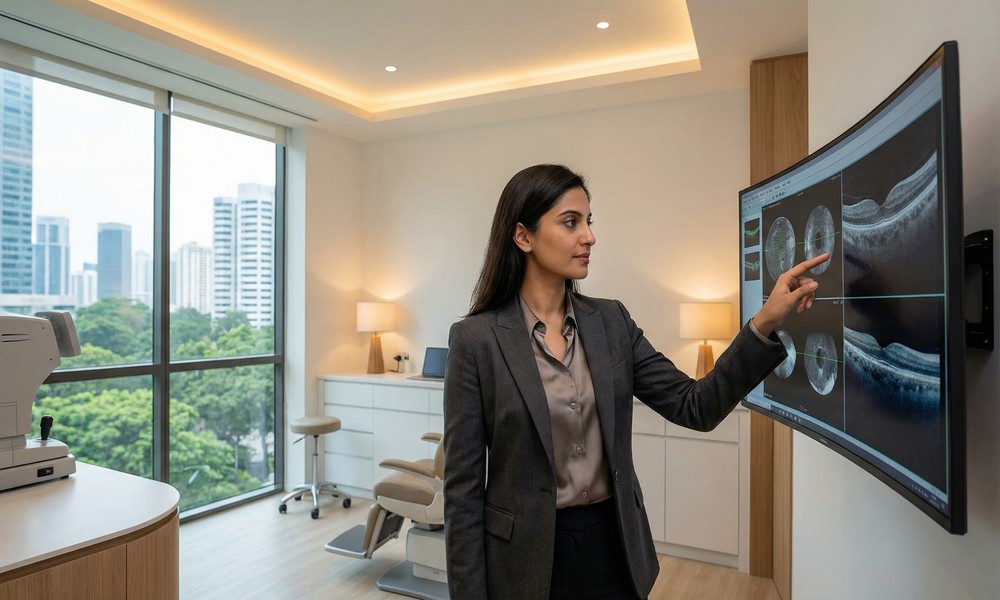
When you visit an eye doctor Singapore, the consultation usually involves a series of tests to assess your vision clarity and eye health. The doctor will typically measure your visual acuity, check eye pressure, and examine the retina and optic nerve using specialized equipment. These assessments help identify conditions like glaucoma, diabetic retinopathy, and cataracts-common among adults in Singapore’s ageing population.
The eye doctor will also discuss your lifestyle, any vision challenges you face, and your family’s eye health history, as genetics can play a role in certain eye conditions. Based on the findings, they may recommend corrective lenses, lifestyle adjustments, or further investigations.
For many Singaporeans, understanding the options available for vision correction and eye care can be overwhelming. A trusted eye specialist can guide you through what’s best suited for your needs, including non-surgical and surgical treatments.
Why is cataract surgery becoming a more common choice in Singapore?
Cataracts, which cause clouding of the eye’s natural lens, are a common vision issue especially as people age. While cataracts develop gradually, they can eventually affect vision clarity and daily activities. In Singapore, with its ageing demographic, more individuals are exploring cataract surgery Singapore as a way to manage the condition.
Cataract surgery involves removing the clouded lens and replacing it with an artificial intraocular lens. This procedure is widely performed and has evolved with advanced techniques that allow for greater precision and quicker recovery times. However, it’s important to understand that cataract surgery is a medical procedure requiring expert evaluation to determine if it is appropriate for your specific condition.
Consulting an experienced eye doctor can help you understand the benefits and considerations of cataract surgery. They will assess the extent of your cataract, discuss your lifestyle needs, and explain the surgical process thoroughly. This ensures you have realistic expectations and make an informed decision.
How do Singapore’s healthcare standards ensure safe eye care?
Singapore is known for its high standards in healthcare, and eye care is no exception. Clinics and hospitals offering eye treatments, including cataract surgery, adhere to stringent safety protocols and regulations. This commitment helps safeguard patients and supports positive treatment outcomes.
When choosing an eye doctor Singapore, it’s wise to look for professionals who are registered with relevant medical boards and who keep up to date with the latest developments in ophthalmology. Expert knowledge, ongoing training, and access to advanced diagnostic tools contribute to trustworthy care.
Patients are encouraged to openly discuss their concerns and treatment options with their eye doctor. This transparency builds trust and allows for a personalised approach to eye health management.
What lifestyle factors can support your eye health in Singapore?
Living in Singapore presents unique environmental factors that can affect your eyes, such as prolonged exposure to digital screens, air-conditioning, and outdoor UV rays. Taking care of your eyes goes beyond medical visits-it involves daily habits too.
To support your eye health, consider following the 20-20-20 rule: every 20 minutes, look at something 20 feet away for at least 20 seconds. This simple practice helps reduce digital eye strain. Wearing sunglasses that block UV rays when outdoors can protect your eyes from sun damage.
Nutrition also plays a role; diets rich in leafy greens, omega-3 fatty acids, and antioxidants may contribute to maintaining healthy vision. Staying hydrated can help alleviate dry eyes, a common complaint among Singaporeans working in air-conditioned environments.
While these lifestyle habits support overall eye comfort, they do not replace professional evaluations. Regular check-ups with an eye doctor Singapore remain essential to monitor your eye health and catch potential issues early.
When should you consider cataract surgery in Singapore?
Deciding on cataract surgery Singapore is a personal decision based on how cataracts affect your vision and quality of life. Typical signs that surgery might be considered include increased difficulty reading, driving (especially at night), or performing daily tasks due to blurred or dim vision.
An eye specialist can help you weigh the pros and cons of surgery, timing, and the types of intraocular lenses available. Given the advances in surgical techniques and patient care, many Singaporeans find cataract surgery to be a helpful option when managed with appropriate medical advice.
Remember, the decision to undergo surgery should always be made in consultation with a qualified eye doctor who understands your unique vision needs and health background.
—
The information in this article is for general informational purposes only and does not constitute medical advice. Please consult a qualified healthcare professional for any medical concerns.
