

How Do You Know If You Have High Blood Pressure?
High blood pressure is often called a “silent killer” because many people do not experience noticeable symptoms until the condition has progressed. In Singapore, where lifestyle factors such as diet, stress, and sedentary habits are common, hypertension is a growing health concern. Understanding what is hypertension and recognising the early warning signs can be crucial in managing your heart health effectively.
Hypertension, or high blood pressure, occurs when the force of blood pushing against the walls of your arteries is consistently too high. Over time, this increased pressure can strain your heart and blood vessels, leading to serious health complications. But how can you identify it early, especially when symptoms might be subtle or absent?
What Are the Common High Blood Pressure Symptoms to Watch For?
Although many people with high blood pressure may not experience obvious symptoms, some signs can indicate that your blood pressure is elevated. These can include headaches, dizziness, shortness of breath, or even nosebleeds. However, these symptoms alone are not definitive, which is why regular blood pressure checks are essential.
In Singapore’s fast-paced environment, it’s easy to dismiss occasional headaches or fatigue as stress or lack of sleep. But if you notice persistent or frequent occurrences, it might be worth consulting a healthcare professional. Learning more about high blood pressure symptoms can empower you to take timely action.
Why Is Hypertension Such a Concern in Singapore?
Hypertension is a significant risk factor for heart disease and stroke, which are among the leading causes of death in Singapore. The local diet, often high in sodium due to popular foods like processed snacks and certain traditional dishes, can contribute to elevated blood pressure levels. Additionally, lifestyle patterns involving long working hours and limited physical activity further exacerbate the issue.
By understanding what is hypertension, Singaporeans can appreciate why managing blood pressure is vital for long-term health. Awareness and preventive measures tailored to the local context can help reduce the burden of cardiovascular diseases.
How Can You Monitor and Manage Your Blood Pressure?
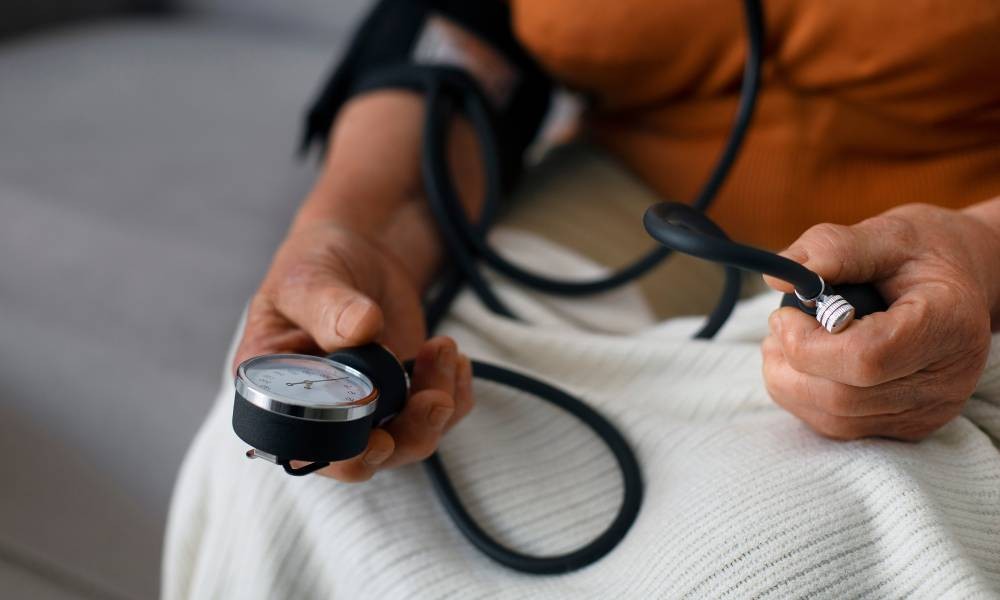
Regular screening is the most reliable way to detect high blood pressure, especially given the lack of clear symptoms for many. Clinics in Singapore offer easy access to blood pressure monitoring, and home devices are increasingly available for personal use. Keeping track of your readings over time allows for better communication with healthcare providers.
Lifestyle adjustments play a key role in managing blood pressure. Reducing salt intake, engaging in regular physical activity, maintaining a healthy weight, and managing stress are practical steps recommended by health professionals. Singapore’s community initiatives and heart health campaigns provide useful resources and support to encourage these habits.
When Should You Seek Medical Advice?
If you experience any of the high blood pressure symptoms such as unexplained headaches, chest discomfort, or severe dizziness, it’s important to seek professional consultation promptly. Even if symptoms are mild or infrequent, persistent high readings on blood pressure monitors warrant medical evaluation.
Healthcare providers in Singapore can offer personalised advice and monitoring plans. While medication may be prescribed in certain cases, the focus remains on holistic management combining lifestyle and medical care. Understanding what is hypertension helps patients participate actively in their own health decisions.
What Can You Do Today to Protect Your Heart Health?
Awareness is the first step. Educate yourself about blood pressure and its impact on your overall well-being. Incorporate heart-healthy habits such as balanced nutrition, regular exercise, and stress reduction into your daily routine. Regular health screenings are essential in detecting any changes early.
Singapore’s healthcare system offers numerous resources, including educational materials and screening programmes, to support cardiovascular health. Taking advantage of these can lead to better outcomes and improved quality of life.
Remember, hypertension doesn’t have to be a silent threat. By recognising the signs and understanding what is hypertension, you can take meaningful steps towards safeguarding your heart health.
The information in this article is for general informational purposes only and does not constitute medical advice. Please consult a qualified healthcare professional for any medical concerns.
