

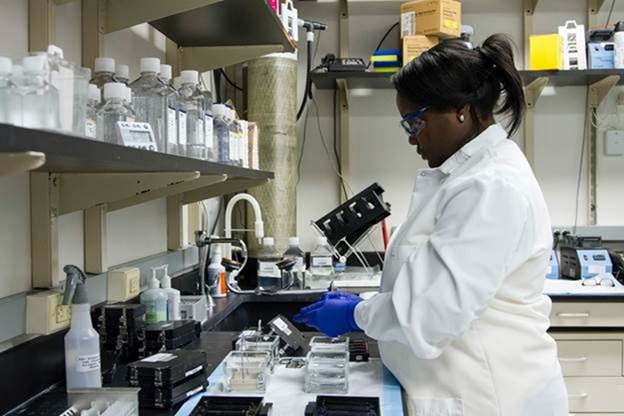
Researchers at Nofima have been studying how by-products from chicken and marine life, specifically Calanus finmarchicus, can be turned into valuable health-boosting ingredients. These by-products, which might otherwise go to waste, contain peptides—small protein fragments that can positively impact our well-being. Through a process called enzymatic protein hydrolysis, scientists are unlocking the potential of these natural substances to support better health.
The Science Behind Peptides and Their Benefits
Peptides are short chains of amino acids that play a crucial role in many biological functions. Unlike whole proteins, peptides are more easily absorbed by the body and can have specific health effects. Some peptides can help regulate blood sugar levels, support healthy blood pressure, or even promote muscle growth and recovery. Because of these benefits, peptides are becoming increasingly popular in functional foods and dietary supplements.
How By-Products Are Transformed Into Beneficial Peptides
The method used to extract these health-promoting peptides is called enzymatic protein hydrolysis. This process breaks down protein-rich by-products into smaller components, resulting in a mixture of proteins, peptides, amino acids, and minerals. These components can then be analyzed to determine their specific health benefits.
Through the TailoTides project, Nofima researchers are identifying which peptides provide the most significant advantages. Senior researcher and project leader Sileshi Wubshet explains, “The smallest peptides often have the biggest health benefits. We have identified peptides that may help maintain stable blood sugar levels, regulate blood pressure, and even support muscle health. These peptides could be added to foods or used as dietary supplements.”
Fine-Tuning the Hydrolysis Process for Maximum Benefits
To ensure the highest yield of beneficial peptides, researchers have fine-tuned the enzymatic hydrolysis process. This involves carefully adjusting key factors such as temperature, enzyme combinations, and reaction time. More than 60 experiments were conducted on each raw material to find the optimal conditions for breaking down proteins into their most effective peptide forms.
By improving the process, scientists can now extract higher concentrations of bioactive peptides, making it easier to incorporate them into food and supplement products designed to support a healthy lifestyle.
What Makes Chicken and Calanus Finmarchicus By-Products So Valuable?
Both chicken and Calanus finmarchicus contain a variety of peptides with beneficial properties:
- Chicken by-products: Peptides derived from chicken and turkey bones have been found to help regulate blood sugar and blood pressure, making them valuable for individuals managing metabolic health.
- Marine by-products (Calanus finmarchicus): Peptides from this tiny marine crustacean show promise in supporting muscle growth and maintaining stable blood sugar levels, making them ideal for sports nutrition and general health.
Bringing Peptide Research from the Lab to the Market
Now that the research has shown promising results, Nofima is working on scaling up production to move from laboratory research to commercial applications. Companies are already taking interest in these findings. Heidi Alvestrand, Head of Business Development at Norilia, notes, “This research is exciting for us. We see great potential in using these hydrolysates in products that support healthy aging, an active lifestyle, and sports nutrition.”
Looking Ahead: The Future of Peptide-Based Nutrition
Although researchers have made significant progress, there is still more work to be done. Further testing and large-scale production are necessary to fully integrate these peptides into everyday food and supplement products. However, this research represents an important step toward making better use of food by-products while also providing innovative health solutions.
Understanding the Key Components
- Peptides: Short chains of amino acids that can influence biological functions like blood sugar regulation and muscle growth.
- Proteins: Larger molecules made up of long chains of amino acids, essential for bodily functions.
- Amino Acids: The building blocks of proteins and peptides; the body uses 20 different amino acids.
- Minerals: Essential nutrients, such as calcium, iron, and magnesium, that support various bodily functions.
What Is Hydrolysis and Why Is It Important?
Hydrolysis is a process that breaks down large molecules into smaller ones using water. In enzymatic hydrolysis, enzymes speed up this breakdown, making it more efficient. This process occurs naturally in the human digestive system but is also used in food science to create bioactive peptides from animal and marine by-products.
By refining enzymatic hydrolysis, researchers are making it possible to extract powerful peptides from food industry by-products—turning waste into valuable health-supporting ingredients.
Conclusion
Peptide research is opening new doors in the world of nutrition and health. By harnessing the power of natural protein sources like chicken and Calanus finmarchicus, scientists are developing innovative ways to support metabolic health, cardiovascular well-being, and muscle growth. As research continues, we may soon see more food products and supplements enriched with these beneficial peptides, making healthy living more accessible to everyone.
