

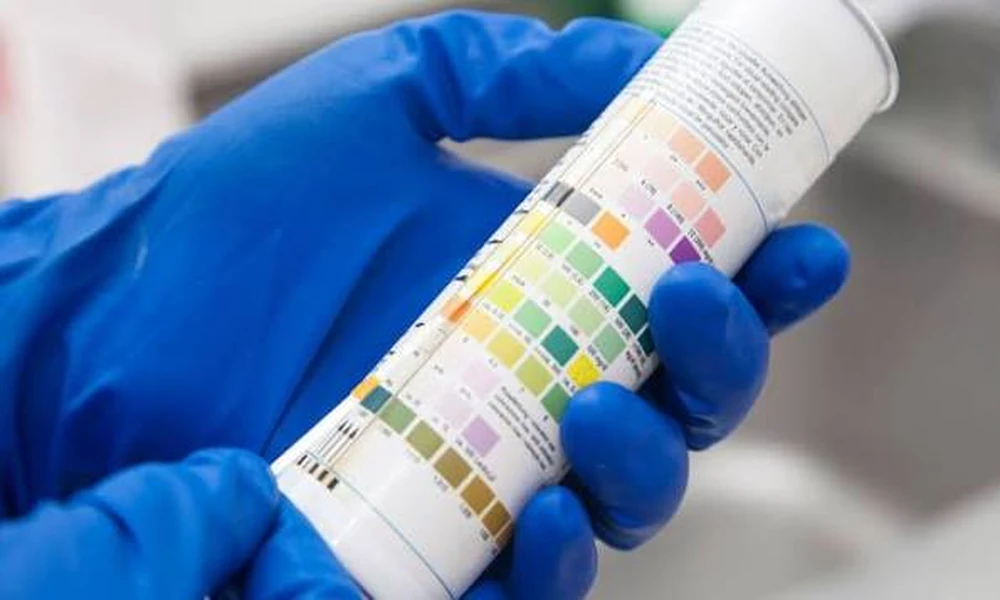
Reliable laboratory practice depends on materials that maintain a steady composition during repeated testing. Synthetic urine provides a controlled reference for exercises involving chemical checks, sample handling, measurement routines, and equipment evaluation. Its planned formulation supports repeatable learning tasks while reducing variation between practice sessions. For controlled preparation, fake pee products can provide a defined reference material.
Consistent Composition Supports Testing
A controlled mixture helps laboratories perform repeated exercises with comparable sample characteristics. Measured ingredients can represent common markers used during routine analysis. This consistency makes comparisons easier across sessions without unexpected changes in sample quality. It also supports trainers needing predictable materials for structured instruction involving urine samples.
Training Tasks Need Reliable Samples
Training activities require repeated handling, measurement, and observation under similar conditions. A prepared reference material lets learners focus on correct procedures rather than changing sample properties. Instructors can compare results across groups using a common preparation. This supports clearer evaluation of technique, recording habits, and equipment use during urine sample exercises.
Quality Checks Improve Training Results
Quality control starts with accurate ingredient measurement and careful preparation. Each batch should follow defined specifications so testing results remain comparable across activities. Simple checks can confirm expected composition before use. When fake pee products follow consistent standards, laboratories can organize exercises with greater confidence. Records help trainers identify unusual readings.
Ingredient Balance Guides Preparation
Balanced ingredients help maintain predictable chemical characteristics during laboratory exercises. The table below shows useful areas to review when selecting a controlled formulation.
| Preparation area | Purpose |
| Chemical balance | Keeps expected urine markers within defined ranges |
| Measurement accuracy | Supports dependable testing comparisons |
| Batch consistency | Helps repeated exercises produce similar observations |
| Handling suitability | Makes preparation practical for training routines |
Careful review of these factors supports orderly preparation. It also helps teams match materials with the intended testing task.
Laboratory Training Needs Practical Planning
Effective training requires clear procedures, suitable materials, and repeatable checks. Teams can strengthen preparation by focusing on these practical points:
- Use measured ingredients to maintain consistent sample composition throughout.
- Follow written preparation steps for every scheduled training session.
- Check equipment readings against expected reference values regularly throughout.
- Record observations clearly so instructors can review technique accurately.
- Replace unsuitable batches when measured characteristics fall outside specifications.
Sound reference material strengthens laboratory instruction through repeatable preparation, clearer comparisons, and orderly skill assessment. Accurate formulation, measured components, and routine verification create dependable practice conditions. Proper selection helps teams conduct structured exercises with greater confidence while keeping observations easier to compare. Such planning also supports efficient evaluation, consistent record-keeping, and sensible material use during scheduled instructional work sessions.
