

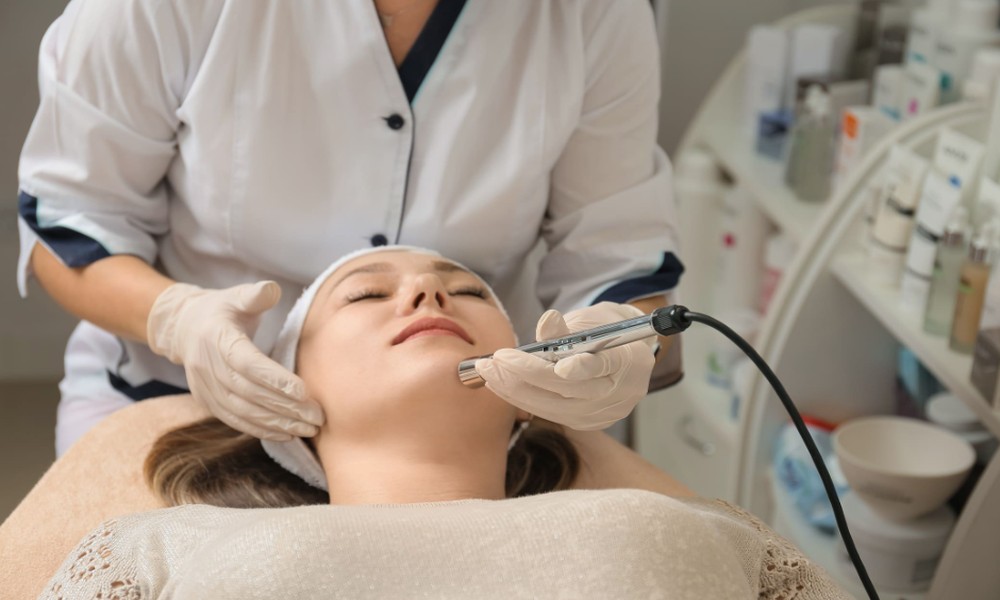
People do not walk into a clinic looking for a procedure. They walk in carrying something they have not said out loud to anyone – a concern that has quietly shaped how they photograph, how they stand in group settings, how they feel stepping into a room. That distinction matters. It changes what a good clinic actually needs to do. Cosmetic treatments in Gold Coast have expanded rapidly, but the ones worth attention are not the ones with the longest menu. They are the ones where the practitioner asks better questions than the patient expected.
Sun Damage Runs Deep
Gold Coast skin ages differently. This is not a generalisation – it is a dermatological reality. Ultraviolet exposure accumulates in the dermis long before it becomes visible on the surface. By the time pigmentation or texture changes appear, the underlying damage is often years old. Treating the visible symptom without addressing the deeper layer tends to produce short-lived results. Clinics that understand the local environment approach sun-damaged skin as a layered problem, not a surface one. The treatment plan looks different as a result. So do the outcomes.
Injectables Done Properly
There is a version of injectable treatment that people fear – the one that removes all trace of personality from a face. That version exists. It comes from practitioners who treat every face the same way. The actual mechanism of muscle-relaxing injectables is far more targeted than that. Specific muscles are softened. Others are left entirely alone. A practitioner who maps the face carefully before touching it preserves the expressions that make someone recognisable while reducing the lines that form from decades of repeated movement.
Cosmetic treatments in Gold Coast delivered by experienced injectors do not produce a uniform look. They produce a rested version of the person already there. The problem is that poor outcomes are visible and good ones are invisible. That imbalance distorts public perception considerably.
Skin Analysis Gets Skipped
A significant number of people receive skin treatments that were never properly matched to their skin. A practitioner who assesses skin visually under standard lighting and then recommends a standard protocol is working from incomplete information. Melanin levels, skin thickness, barrier integrity, and existing sensitivity – all of it affects how a treatment behaves. Clinics that use proper diagnostic tools and revisit them before each new treatment course, rather than just at the first appointment,, produce better results. They are responding to the actual skin in front of them, not an assumed category.
Downtime Is Real Information
Clinics that describe every treatment as having minimal downtime are not being straightforwardly honest. Some procedures involve visible peeling that lasts for days. Some involve swelling that makes social situations uncomfortable for a stretch of time. None of that makes them bad treatments. It makes them treatments that require planning. The patients who feel misled after a procedure are almost always the ones who were not given a realistic picture beforehand. A clinic willing to describe the difficult days with the same clarity as the results is telling you something useful about how it operates.
Slow Results Last Longer
Treatments that produce dramatic overnight change are generally not doing something sustainable. The results that hold – and often continue improving long after the appointment – tend to come from procedures that work through the skin’s own processes rather than around them. Collagen induction is a good example. Change happens slowly because biology is slow. Patients who understand this going in tend to stay the course. Those who expect faster results often abandon a treatment protocol before it has had time to work and conclude the treatment failed. The treatment did not fail. The expectation was simply wrong.
Conclusion
Most people spend longer choosing a piece of furniture than they spend researching the clinic they book for a cosmetic procedure. That gap is worth closing. Cosmetic treatments in Gold Coast vary enormously – not by procedure type, but by the person delivering them. The consultation is the most useful thing to assess. How long it runs, what questions get asked, and whether the answers feel considered or rehearsed. A practitioner who listens carefully before recommending anything is already ahead of most. That quality is rarer than it should be, and worth finding before committing to anything.
