

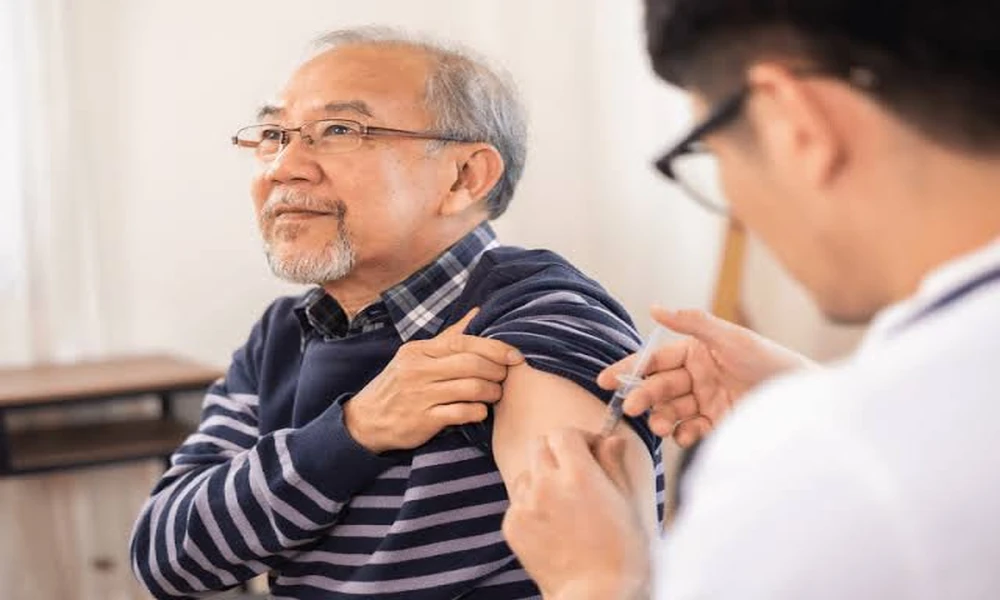
Before you travel, attend a packed event, or visit loved ones, it is worth checking whether your flu protection is up to date. This simple flu vaccination guide explains why the flu vaccine matters, when to take it, and who should be extra careful before mixing with others.
Flu may sound like a common illness, but it can cause more than a few days of fever and body aches. For some people, it can lead to chest infections, pneumonia, hospital visits, or worsening of existing health problems. This is why flu vaccination is often recommended as part of preventive care, especially before travel and large gatherings.
Why Flu Vaccination Matters Before TravelFlu Can Spread Easily When You Are On The Move
Travel often means spending time in crowded places such as airports, train stations, buses, hotels, and tourist spots. These places make it easier for viruses to spread from person to person.
You may also be exposed to flu strains that are different from those commonly circulating at home. In Singapore, influenza can occur throughout the year, with small peaks often seen around mid-year and the end or beginning of the year. This means there may not be a single “flu season” to watch for.
Getting vaccinated before travel helps your body prepare before you are exposed. It does not guarantee that you will never catch the flu, but it can lower the risk of severe illness and complications.
Timing Is Important
The flu vaccine does not work immediately. Your body usually needs about two weeks to build protection after vaccination. For this reason, it is better not to wait until the day before your flight or event.
A good time to get vaccinated is at least two weeks before:
- Overseas travel
- Cruises or group tours
- Weddings or reunions
- Large conferences
- Concerts or festivals
- Visits to elderly relatives or newborn babies
If your trip is sooner than two weeks away, vaccination may still be helpful. A doctor can advise based on your health, travel plans, and risk level.
Flu Vaccination Before Crowded EventsCrowds Increase The Risk Of Infection
Crowded events can be fun, but they also bring people close together for long periods. This gives respiratory viruses more chances to spread through coughing, sneezing, talking, or touching shared surfaces.
Examples include:
- Company events
- Religious gatherings
- School activities
- Concerts
- Sports events
- Family celebrations
- Holiday parties
If you are attending an indoor event with poor ventilation, the risk may be higher. The flu virus spreads more easily when many people are close together, especially if some are already unwell.
Protection Is Not Just For You
One important point in any flu vaccination guide is that vaccination helps protect the people around you too. You may recover from flu within a week, but someone else may not.
This matters when you are around:
- Older adults
- Young children
- Pregnant women
- People with asthma, diabetes, heart disease, or lung disease
- People with weaker immune systems
By reducing your own chance of severe flu, you may also reduce the chance of passing the virus to someone more vulnerable.
Flu Vaccination Before Family GatheringsFamily Visits Can Include Higher-Risk Loved Ones
Family gatherings often involve close contact. People hug, share meals, sit together, and spend many hours in the same space. If one person has the flu, it can spread quickly.
This is especially important if your gathering includes grandparents, babies, pregnant family members, or relatives with long-term health conditions. Even a mild illness in one person can become serious for another.
If you are planning to visit family after travel, it may be wise to get vaccinated earlier and avoid visiting if you feel unwell.
Simple Steps Still Matter
Flu vaccination works best when combined with simple hygiene habits. Before and during gatherings, try to:
- Wash your hands often
- Cover your mouth and nose when coughing or sneezing
- Avoid sharing cups and utensils
- Stay home if you have fever, cough, sore throat, or body aches
- Wear a mask if you are recovering or visiting vulnerable people
- Keep rooms well ventilated where possible
These steps may seem basic, but they can help reduce the spread of flu and other respiratory infections.
Who Should Consider Flu Vaccination?People At Higher Risk
Flu vaccination may be especially important for people who are more likely to develop complications. This includes:
- Adults aged 65 and above
- Young children
- Pregnant women
- People with chronic medical conditions
- People with weakened immune systems
- Healthcare workers
- Caregivers of elderly or sick family members
- Frequent travellers
If you are unsure whether the vaccine is suitable for you, speak with a doctor. They can check your medical history, allergies, pregnancy status, and current health before advising.
How Often Should You Get It?
Flu viruses change often. Because of this, flu vaccines are updated regularly to match the strains expected to circulate. Many people are advised to take the flu vaccine once a year, while some may need it by season depending on their health needs and doctor’s advice.
In Singapore, some clinics provide updated seasonal influenza vaccines. LoveJoy Family Clinic supports influenza vaccination and provides information on vaccine timing, seasonal updates, and who may benefit from vaccination.
What To Expect After Flu VaccinationCommon Side Effects
Most side effects are mild and short-lived. They may include:
- Soreness at the injection site
- Mild fever
- Tiredness
- Muscle aches
- Headache
These symptoms usually improve within a day or two. They are signs that your immune system is responding.
When To Seek Medical Advice
Serious reactions are rare, but you should seek medical help if you experience breathing difficulty, swelling of the face or throat, severe rash, dizziness, or symptoms that worry you.
You should also tell your doctor before vaccination if you have had a severe allergic reaction to a vaccine in the past.
Final Thoughts
Flu vaccination is a simple step that can make travel, crowded events, and family gatherings safer. It is especially useful when you will be around many people or spending time with loved ones who may be more vulnerable to flu complications.
Planning ahead matters. Try to get vaccinated at least two weeks before your trip or major event, and continue basic hygiene habits even after vaccination.
For anyone preparing for travel, events, or family visits, this influenza vaccine and flu vaccination guide can help you understand when to get protected and what to discuss with your doctor.
