

Stress urinary incontinence is far more common than most women realize, and far more treatable than most assume. The involuntary leakage of urine that happens during coughing, sneezing, laughing, exercise, or any sudden increase in abdominal pressure affects roughly one in three women at some point in their adult lives. Many manage it quietly for years with pads and avoidance strategies, having either dismissed it as a normal consequence of pregnancy or aging or tried conservative treatments that helped only partially. At Lazare Urology in Brooklyn, the mid-urethral sling procedure is one of the most reliably effective interventions available for stress incontinence, but understanding why it works, and why earlier approaches sometimes do not, requires a clear picture of what is actually causing the problem.
Stress Incontinence vs. Urgency Incontinence: Why the Distinction Matters
Not all urinary incontinence is the same, and the distinction between types is clinically important because treatment differs completely depending on which kind a woman has.
Stress urinary incontinence is a mechanical problem. The urethral sphincter and the supporting structures beneath the urethra are not providing enough resistance to contain urine when intra-abdominal pressure spikes suddenly. The bladder itself is not overactive. There is no urgent warning that leakage is about to happen. It simply occurs the moment pressure exceeds what the weakened support structures can manage.
Urgency incontinence, or overactive bladder, is a neurological and muscular problem where the detrusor muscle contracts involuntarily, producing a sudden, powerful urge to void that can be difficult or impossible to suppress in time. Women with urgency incontinence leak because they cannot get to the bathroom quickly enough. The leakage happens in response to urgency, not physical pressure.
Many women have mixed incontinence, meaning elements of both. The proportion matters. A woman whose primary complaint is stress leakage during exercise but who also has some urgency will benefit most from addressing the stress component. A woman with predominantly urgency-driven leakage will not be helped by a sling, because the sling only addresses the mechanical support issue. Sorting this out before recommending treatment is a basic part of the evaluation.
What Weakens Urethral Support in the First Place
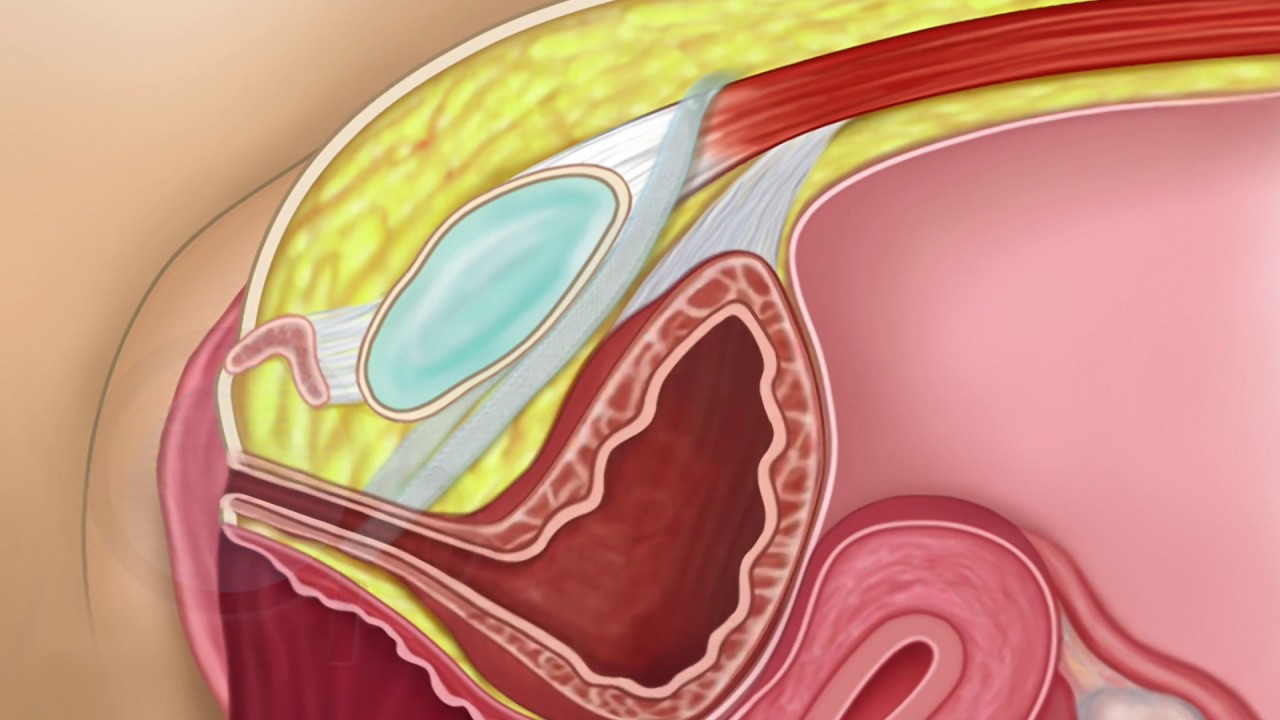
The urethra is held in place and supported during pressure events by a hammock of connective tissue and pelvic floor muscle. When that support system is intact, increased abdominal pressure compresses both the bladder and the urethra simultaneously, preserving the pressure gradient that keeps urine contained. When the support is compromised, the urethra descends under pressure instead of being compressed against a firm backing, and the pressure gradient reverses.
Vaginal childbirth is the most significant risk factor, particularly deliveries involving large babies, prolonged pushing, or instrumental delivery with forceps or vacuum. The trauma to the pudendal nerve and the connective tissue of the anterior vaginal wall during delivery can be substantial and does not always fully repair over time. Menopause accelerates the weakening because estrogen maintains the elasticity and thickness of the urethral and vaginal tissues; its absence causes atrophy that further reduces support. Chronic high-impact activity, obesity, and prior pelvic surgery are contributing factors as well.
Why Pelvic Floor Exercises Have Real Limits
Pelvic floor physical therapy and Kegel exercises are appropriate first-line treatment for stress incontinence, and for women with mild symptoms or whose symptoms developed recently, they can produce meaningful improvement. The mechanism is straightforward: stronger pelvic floor muscles provide better dynamic support to the urethra during pressure events, compensating to some degree for underlying connective tissue laxity.
The limitations become apparent when the structural support deficit is substantial. Muscle strengthening cannot restore connective tissue that has been torn or significantly overstretched. It cannot reverse the atrophic changes that occur in postmenopausal tissue. And it requires consistent, correct execution over months to produce results, which means women who have difficulty isolating the right muscles, who are doing the exercises incorrectly, or who cannot maintain the program long term often see limited benefit.
Pessaries, vaginal devices that support the bladder neck mechanically from within, are another conservative option. They are effective for some women and require no surgery, but they are also removable devices that need to be cleaned, can cause discomfort, and are not a permanent solution. Women who have tried pessaries and found them inconvenient or insufficiently effective are reasonable candidates for a procedural conversation.
How the Mid-Urethral Sling Works
The mid-urethral sling procedure has become the surgical standard for stress urinary incontinence over the past two decades, largely replacing the older Burch colposuspension and pubovaginal sling techniques that preceded it. The procedure places a narrow strip of mesh tape beneath the mid-urethra through a small vaginal incision, with the ends of the tape anchored either behind the pubic bone (retropubic approach, known as TVT) or through the obturator foramen (transobturator approach, known as TOT). The tape recreates the hammock support that has been lost, allowing normal urethral compression to occur when intra-abdominal pressure spikes.
The procedure takes roughly 30 minutes and is performed under spinal or general anesthesia. Most women go home the same day. The incision in the vaginal wall is small and closed with dissolvable sutures. There is no abdominal incision for the transobturator approach, which is associated with lower rates of bladder injury during placement than the retropubic technique.
What the Outcomes Data Actually Shows
Long-term follow-up studies on mid-urethral slings consistently show cure or significant improvement rates of 80 to 90 percent at five years and beyond. These are among the most durable outcomes in all of female pelvic medicine. Patient satisfaction rates are high, and the majority of women who were limiting physical activity, social engagement, or intimacy because of leakage report meaningful restoration of quality of life after the procedure.
Complications are uncommon but include temporary urinary retention requiring catheterization in the immediate post-operative period, mesh erosion into the vaginal wall in a small percentage of cases, and new-onset urgency symptoms that can develop after surgery. The transobturator approach has a lower rate of voiding dysfunction than the retropubic approach, which is one reason it is preferred in many practices for routine stress incontinence without additional anatomical complexity.
Recovery and What to Expect in the Weeks After Surgery
Most women return to light activity within a few days of the procedure. Strenuous exercise, heavy lifting, and sexual activity are typically restricted for four to six weeks to allow the tape to become properly incorporated into the surrounding tissue. The degree of restriction and the timeline are adjusted based on the specific procedure performed and the individual patient’s healing.
Some women experience urgency symptoms or frequency in the first few weeks post-operatively as the tissue adjusts. This is usually temporary and resolves on its own. Incomplete bladder emptying in the first days after surgery is also common and in most cases improves quickly without intervention.
A follow-up visit at two to four weeks allows the surgeon to confirm healing, assess urinary function, and address any concerns. Most women are cleared for full activity including exercise and intercourse by six weeks.
Getting Evaluated for the Right Treatment at Lazare Urology
Stress urinary incontinence is a quality-of-life condition, not a minor inconvenience to be managed indefinitely with protective pads. When conservative approaches have not produced adequate relief, the mid-urethral sling offers a well-studied, minimally invasive solution with outcomes data that few other procedures in medicine can match for the specific problem it treats.
The evaluation at Lazare Urology begins with a thorough history to characterize the type and severity of incontinence, followed by a physical examination, post-void residual measurement, and in some cases urodynamic testing to confirm the diagnosis and rule out significant urgency or bladder dysfunction before a surgical recommendation is made. Dr. Jon Lazare performs the mid-urethral sling procedure in a certified in-office operating room with a board-certified anesthesiologist, providing a level of individualized care that is not available in a busy hospital surgical suite.
If urinary leakage has been affecting your daily life and you are ready to explore your options beyond the approaches that have not worked, contact Lazare Urology today to schedule a consultation. A clear evaluation is the first step toward a solution that actually holds.
