

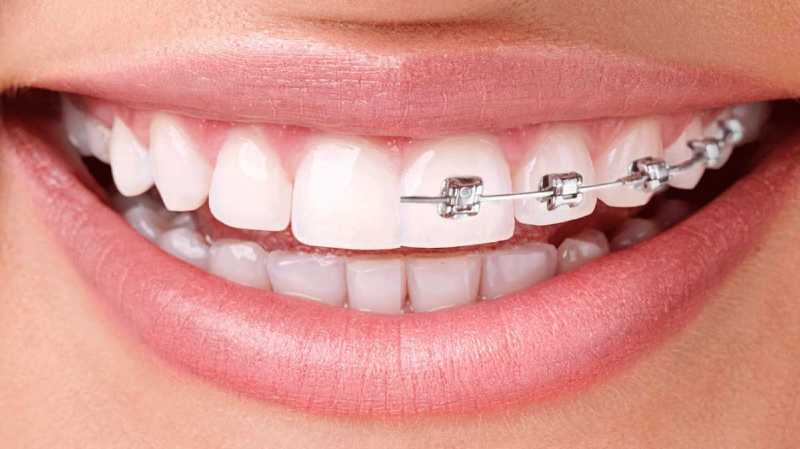
Straight teeth play an important role in both appearance and oral function. When teeth are crowded or misaligned, everyday activities such as speaking and chewing can become difficult, and confidence in one’s smile may be affected. For many years, metal braces were the primary solution for correcting alignment problems. Today, Invisalign has emerged as a popular alternative for patients seeking a more comfortable and subtle option.
Understanding Traditional Metal Braces
Traditional braces use metal brackets, wires, and elastic bands to apply pressure that gradually moves teeth into proper alignment. This method is effective for correcting bite problems and straightening teeth, but it also has several limitations, which is why many people searching for a dentist near me now ask about alternative options such as clear aligners.
One common concern is visibility. Metal braces are easy to notice and may cause discomfort or self-consciousness in social or professional environments. Physical discomfort is another issue, as brackets and wires can irritate the lips, cheeks, and tongue, sometimes leading to soreness or mouth ulcers. Oral hygiene can also be more challenging because food particles often get trapped in the braces, increasing the risk of plaque buildup and cavities. Special cleaning tools are usually needed to maintain proper dental care.
Invisalign Clear Aligners as an Alternative
Invisalign uses clear plastic aligners that are custom-designed to fit over the teeth. These aligners gradually move teeth into the desired position without many of the drawbacks associated with metal braces.
Invisalign offers the major benefit of a discreet appearance. The clear aligners are barely noticeable, making them an appealing choice for adults and teenagers who prefer a less visible treatment option. Comfort is another benefit, as the smooth plastic material reduces irritation inside the mouth. Invisalign aligners are also removable, allowing patients to eat freely and maintain normal brushing and flossing routines, which helps support better oral hygiene.
Effectiveness of Invisalign Compared to Braces
Studies and clinical experience show that Invisalign can be just as effective as traditional braces in many cases. For mild to moderate spacing and crowding issues, Invisalign delivers similar results. It has also shown strong effectiveness in correcting overbites and overjets. Because the aligners are custom-made and replaced regularly, they apply consistent pressure that supports predictable and controlled tooth movement.
Advances in Orthodontic Technology
Invisalign relies on modern technology to improve treatment outcomes. Three-dimensional imaging allows for accurate treatment planning tailored to each patient. The specialised thermoplastic material used in aligners is flexible yet durable, supporting precise tooth movement. In more complex cases, small tooth-colored attachments may be added to improve control. Digital planning also allows patients to preview expected results before treatment begins.
Treatment Duration Comparison
Traditional braces typically require between 18 months and three years, with frequent office visits for adjustments. Invisalign treatment is often similar in length or shorter, as aligners are changed every one to two weeks, allowing steady progress with fewer in-office visits.
Overall, Invisalign has become a preferred choice for many patients due to its comfort, convenience, and subtle appearance.
