

Key Highlights
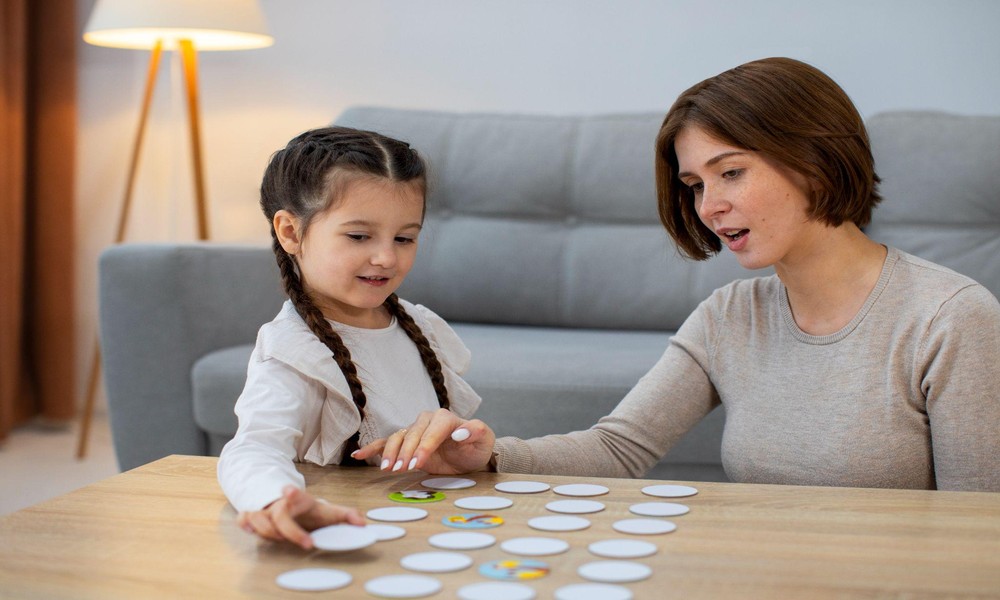
- Home-based speech therapy offers familiar environments that reduce anxiety and improve learning outcomes for children.
- Integration with applied behaviour analysis creates comprehensive support for children with developmental needs.
- Early intervention at home allows parents to participate actively in therapeutic strategies.
- Personalised attention in comfortable settings accelerates progress compared to clinical environments for many children.
Introduction
Parents in Singapore often struggle to determine the right moment to seek professional help for their child’s communication challenges. The decision becomes more complex when weighing between clinic-based sessions and home-based speech therapy in Singapore. Understanding the specific circumstances that make home therapy the optimal choice can transform your child’s developmental trajectory.
Recognising the Signs That Home Therapy Makes Sense
Children develop at different rates, but certain indicators suggest that professional intervention should happen sooner rather than later. If your two-year-old uses fewer than 50 words or struggles to combine words into simple phrases, you’re looking at potential delays that warrant attention. Three-year-olds who cannot form basic sentences or whose speech remains unintelligible to family members need evaluation.
The home environment reveals communication patterns that clinical settings might miss. Your child may communicate effectively with siblings during play but shut down in unfamiliar spaces. This discrepancy matters because it highlights comfort levels that directly impact therapeutic success. Home-based speech therapy in Singapore capitalises on this familiarity, allowing therapists to observe natural interactions and design interventions around real-life situations your child encounters daily.
When Clinical Settings Create More Problems Than Solutions
Some children experience heightened anxiety in medical or clinical environments. The sterile atmosphere, unfamiliar faces, and structured setting trigger stress responses that interfere with learning. You might notice your child becoming withdrawn, resistant, or displaying behaviours that don’t emerge at home.
An applied behaviour analysis therapist working in your home can assess these patterns without the confounding variable of environmental stress. They observe how your child communicates during routine activities like mealtimes, play sessions, or bedtime rituals. This contextual understanding shapes more effective intervention strategies because the therapist sees exactly how communication breaks down in moments that matter to your family.
Integration with Behavioural Support Systems
Children with autism spectrum disorder or other developmental conditions often benefit from coordinated approaches that address multiple skill areas simultaneously. Speech delays rarely exist in isolation. They intersect with social communication challenges, sensory processing differences, and behavioural patterns that require specialised attention.
Working with an applied behaviour analysis therapist alongside speech therapy creates synergy that accelerates progress. The ABA professional identifies reinforcement strategies that motivate your child to practice new communication skills. They help establish routines that support speech practice throughout the day, not just during formal therapy sessions. This integration works best in home settings where both professionals can collaborate within the environment where your child spends most of their time.
Practical Considerations for Singapore Families
Singapore’s compact living spaces and busy family schedules make home-based speech therapy in Singapore particularly practical. Eliminating travel time to clinics means more energy devoted to actual therapy rather than logistics. Your child remains in familiar surroundings where they feel secure enough to take risks with new words and sounds.
Domestic helpers and grandparents who participate in daily caregiving can observe therapy sessions and learn techniques to reinforce throughout the day. This extended support network multiplies the impact of professional intervention because consistent practice between sessions determines how quickly skills develop.
Parent Empowerment Through Direct Involvement
Watching a professional therapist work with your child teaches you strategies that extend beyond scheduled sessions. You learn how to create communication opportunities during everyday activities, how to respond when your child struggles to express themselves, and how to celebrate small victories that build confidence.
An applied behaviour analysis therapist can demonstrate specific prompting techniques, fading strategies, and data collection methods that help you track progress objectively. This knowledge transforms you from a passive observer into an active participant in your child’s development. The home setting makes this transfer of skills natural because the therapist can demonstrate techniques using your actual toys, books, and household items.
Cost Effectiveness Without Compromising Quality
Home-based speech therapy in Singapore often delivers better value than clinic sessions when you factor in travel time, parking costs, and the potential need for additional behaviour support. Your child receives undivided attention in an environment already equipped with relevant materials and contexts for practice.
The ability to schedule sessions around your family’s routine rather than clinic availability reduces stress and missed appointments. Consistency matters tremendously in speech development, and home-based services typically offer more scheduling flexibility than institutional settings.
Conclusion
Home-based speech therapy in Singapore provides distinct advantages for children who struggle with communication delays, particularly when environmental factors or concurrent developmental needs require comprehensive, coordinated support that extends beyond clinical walls.
Contact AutismSTEP now to discuss personalised, expert home-based ABA services in Singapore that integrate seamlessly with speech therapy goals.
