

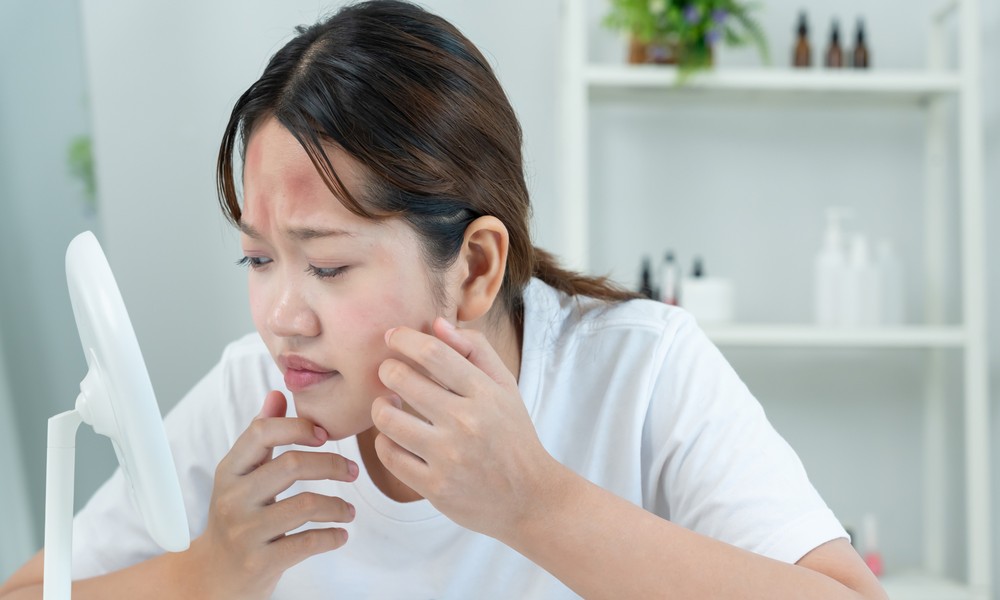
For decades, the medical community viewed the skin and the digestive system as two entirely separate entities. If you had a breakout, you treated the skin; if you had an upset stomach, you treated the gut. However, recent breakthroughs in microbiology and immunology have revealed a complex, high-speed communication network known as the “gut-skin axis.”
It turns out that your skin is often a mirror reflecting the internal state of your microbiome. When the delicate balance of bacteria in your digestive tract is disrupted, the results frequently manifest as redness, acne, or chronic sensitivity. Understanding this connection is the first step toward achieving a clear complexion from the inside out.
Here are five science-backed facts about how your gut health dictates the health of your skin.
1. The Gut-Skin Axis is a Real Biological Pathway
The “gut-skin axis” isn’t just a wellness trend; it is a recognized physiological link between the gut microbiome and skin homeostasis. The gut is home to trillions of microorganisms that help train your immune system. When the gut microbiome is healthy, it sends signals that keep the skin’s immune response stable.
However, when “dysbiosis”-an imbalance of bad bacteria over good-occurs, the gut lining can become more permeable. This is often referred to as “leaky gut.” When the gut barrier is compromised, bacterial metabolites and undigested food particles can enter the bloodstream, triggering systemic inflammation. This inflammation eventually travels to the skin, where it can exacerbate conditions like rosacea and dermatitis.
2. Probiotics Can Influence Skin Hydration and UV Protection
It sounds like science fiction that swallowing beneficial bacteria could protect you from the sun, but research suggests otherwise. Clinical studies have shown that specific strains of probiotics, such as Lactobacillus, can improve the skin’s barrier function.
A healthy gut microbiome produces short-chain fatty acids (SCFAs). These fatty acids play a crucial role in maintaining the skin’s “acid mantle,” the protective film that keeps moisture in and pathogens out. Furthermore, some studies have indicated that a balanced gut can help modulate the skin’s response to UV-induced damage, effectively boosting your internal defenses against photoaging and environmental stress.
3. Small Intestinal Bacterial Overgrowth (SIBO) is Linked to Rosacea
One of the most striking examples of the gut-skin connection is the relationship between Rosacea and SIBO. Rosacea is a chronic inflammatory skin condition characterized by facial redness and swelling. Research has found that patients with rosacea are significantly more likely to have Small Intestinal Bacterial Overgrowth than the general population.
In many clinical trials, when patients treated their underlying SIBO through diet or medication, their rosacea symptoms either improved dramatically or cleared entirely. This suggests that for many, “sensitive skin” is actually a symptom of a digestive system that is working overtime to manage bacterial imbalances.
4. High-Sugar Diets Disrupt the Skin via the Gut
We have long known that high-sugar diets lead to “glycation,” a process where sugar molecules attach to collagen and cause wrinkles. However, sugar also wreaks havoc through the gut. High intake of refined sugars and dairy can spike insulin levels, which alters the composition of the gut microbiome.
This shift promotes the growth of pro-inflammatory bacteria, which in turn increases sebum (oil) production in the skin. This is why many adults find that their “hormonal” acne is actually “digestive” acne. By stabilizing blood sugar and supporting gut flora, you can effectively reduce the oil production and inflammation that lead to painful cystic breakouts.
5. Stress Impacts the Gut, Which Then Impacts the Skin
The brain-gut-skin connection is a three-way conversation. When you experience chronic stress, your body produces cortisol, which slows down digestion and can alter the acidity of the stomach. This change in environment allows “bad” bacteria to flourish, leading to a “flare-up” of the skin.
This is why people often experience a breakout or an eczema flare during a high-pressure week at work. The stress isn’t just “in your head”-it is physically altering your gut chemistry, which then signals your skin to react. Managing the skin without addressing the stress-gut link is often just a temporary fix.
While drinking kombucha and eating fiber are excellent steps toward better skin, complex skin conditions often require a bridge between nutrition and clinical science. Because skin issues can be caused by a variety of internal and external factors, it is essential to consult with a professional medical dermatology clinic to determine the exact nature of your condition.
Medical professionals can help distinguish between a simple topical reaction and a systemic issue rooted in the gut-skin axis. By combining clinical treatments-such as medical-grade topicals or light therapy-with a deeper understanding of your internal health, you can move past “managing” your skin and start truly healing it.
Your skin is the body’s largest organ, and it doesn’t function in a vacuum. By nourishing your gut, you aren’t just improving your digestion; you are laying the foundation for a vibrant, resilient, and healthy complexion.
