

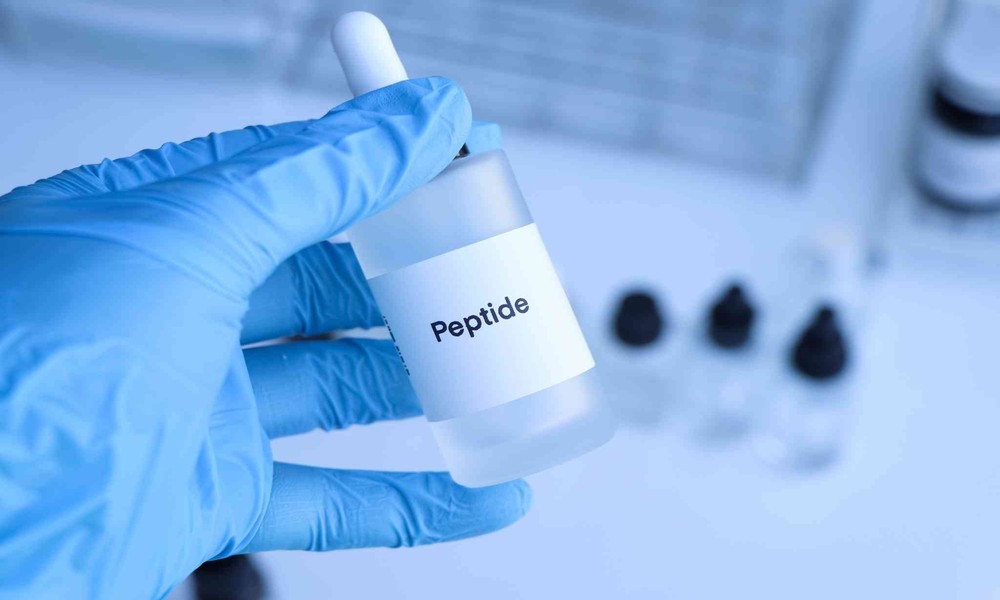
Recovery is a critical part of physical performance, injury rehabilitation, and post-surgical healing. Whether the body is healing from intense training, trauma, or a medical procedure, optimizing recovery can shorten downtime and improve outcomes. Peptides have gained attention for their potential to support and accelerate the body’s natural healing processes. These bioactive compounds play targeted roles in tissue repair, inflammation control, and muscle regeneration, making them a growing focus in recovery science.
This article explores how peptides work, why they matter in healing, and how quality verified peptides can be integrated into a comprehensive recovery strategy.
What Are Peptides?
Peptides are short chains of amino acids, typically ranging from two to one hundred units in length. They are smaller than proteins, which allows them to act quickly and precisely within the body. Because of their size and structure, peptides often function as signaling molecules, instructing cells to perform specific tasks related to repair, immunity, and regeneration.
The human body naturally produces thousands of peptides that regulate essential biological processes. Peptide levels can also be supported through protein-rich foods such as eggs, dairy, meat, fish, legumes, and soy, as well as through medically supervised supplementation or therapeutic use.
Different peptides serve different purposes, ranging from supporting collagen formation and immune defense to regulating hormones, cardiovascular function, and cellular communication. Their names often reflect their source or structure, helping identify their specific role in the body.
How Peptides Support the Healing Process
Peptides contribute to healing by influencing cellular repair mechanisms, blood flow, inflammation control, and tissue regeneration. Their targeted action allows them to support recovery at the molecular level, making them especially valuable during rehabilitation.
Peptides and Tissue Repair
One of the most important roles of peptides in recovery is supporting tissue repair. Many peptides stimulate collagen production, which is essential for healing wounds, repairing connective tissue, and maintaining skin integrity. Collagen provides the structural framework for tendons, ligaments, muscles, and skin, making it a cornerstone of recovery.
Certain peptides are known for their ability to enhance blood vessel formation, improve circulation to injured areas, and reduce oxidative stress. These effects help deliver oxygen and nutrients to damaged tissues while minimizing inflammation that can delay healing. Research has shown that some peptides can significantly influence growth factors involved in tissue regeneration, accelerating the repair process.
Peptides for Muscle Recovery
Muscle recovery after exercise or injury relies on the repair and rebuilding of muscle fibers. Peptides support this process by stimulating anabolic pathways and enhancing the activity of growth-related hormones that activate muscle repair cells.
Studies suggest that collagen-based peptides, when combined with resistance training, can improve strength recovery and muscle performance after strenuous exercise. By supporting connective tissue and muscle structure, peptides help muscles recover faster and adapt more effectively to physical stress.
Peptides and Inflammation Management
Inflammation is a natural part of healing, but excessive or prolonged inflammation can slow recovery and increase discomfort. Certain peptides help regulate the inflammatory response by reducing the production of inflammatory signals and protecting cells from oxidative damage.
By improving blood flow and supporting cellular survival, these peptides help create an environment that promotes healing rather than chronic inflammation. They may also help reduce excessive scar tissue formation, which can limit mobility and function after injury or surgery.
Peptides in Different Types of Recovery
Peptides can support recovery across a wide range of scenarios, from athletic training to injury rehabilitation and post-surgical healing.
Peptides for Post-Exercise Recovery
After intense physical activity, the body requires efficient muscle repair and reduced inflammation to restore performance. Peptides that support collagen synthesis, cellular repair, and inflammation control can help reduce muscle soreness and accelerate recovery. By enhancing tissue repair and supporting energy metabolism, these peptides may also help athletes maintain consistent training schedules with reduced risk of overuse injuries.
Peptides for Injury Recovery
Injuries such as sprains, strains, and fractures place significant stress on muscles, tendons, and connective tissue. Peptides that activate repair cells and support protein synthesis may help speed up healing while reducing pain and swelling. Their ability to support both soft tissue and structural recovery makes them valuable tools during rehabilitation.
Peptides in Post-Surgery Recovery
Surgical recovery requires efficient wound healing, controlled inflammation, and restoration of function. Certain peptides are known to support collagen formation, new blood vessel growth, and tissue regeneration, which can help improve healing outcomes. Some peptides also show potential in reducing post-surgical fatigue and supporting recovery in older individuals.
How to Integrate Peptides Into a Recovery Plan
Using peptides effectively requires a thoughtful and personalized approach. Recovery strategies should always begin with guidance from a qualified healthcare professional who understands peptide therapy and individual health needs.
Peptides should be selected based on specific recovery goals, such as tissue repair, inflammation reduction, or muscle regeneration. Administration methods vary, with some peptides delivered through injections and others applied topically, depending on their purpose. Quality and safety are essential, as peptides should only be sourced from reputable providers and used under medical supervision.
Peptides are most effective when combined with proven recovery practices, including adequate sleep, proper nutrition, hydration, physical therapy, and stress management. Ongoing monitoring allows protocols to be adjusted for optimal results and long-term safety.
Peptides and Nutrition in Recovery
Peptides represent a promising advancement in recovery science, offering targeted support for healing, muscle regeneration, and inflammation control. Their precision and versatility make them valuable additions to modern recovery strategies.
However, peptides are not a replacement for foundational recovery principles. Long-term healing still depends on balanced nutrition, consistent physical therapy, restorative sleep, and professional care. When combined thoughtfully, peptides and nutrition create a powerful framework for supporting the body’s natural ability to heal, recover, and perform at its best.
